
Quick Answer
For most people dealing with stress, anxiety, sleep trouble, or a habit they cannot shake through willpower alone, hypnotherapy is worth trying as a complementary tool, not a guaranteed fix. It works by guiding you into a relaxed, narrowly focused state where your mind becomes more open to suggestion, and a typical course runs three to six sessions at roughly ₹2,500 to ₹5,000 each in India. The evidence is strongest for anxiety, insomnia, and habit change, and much weaker for anything medical, so it belongs alongside a doctor or therapist when one is already involved, never in place of them.
Key Takeaways
- Hypnotherapy is a focused relaxation technique, not mind control and not literal sleep. You stay aware and in control the entire time.
- A single session rarely changes much. Most people need three to six sessions, spaced a week or two apart, before they notice a real shift.
- Research supports it reasonably well for anxiety, insomnia, irritable bowel symptoms, and habit change such as quitting smoking. It is not a substitute for medical or psychiatric treatment.
- In India, a qualified practitioner usually charges ₹2,500 to ₹5,000 per session, though this varies by city and experience.
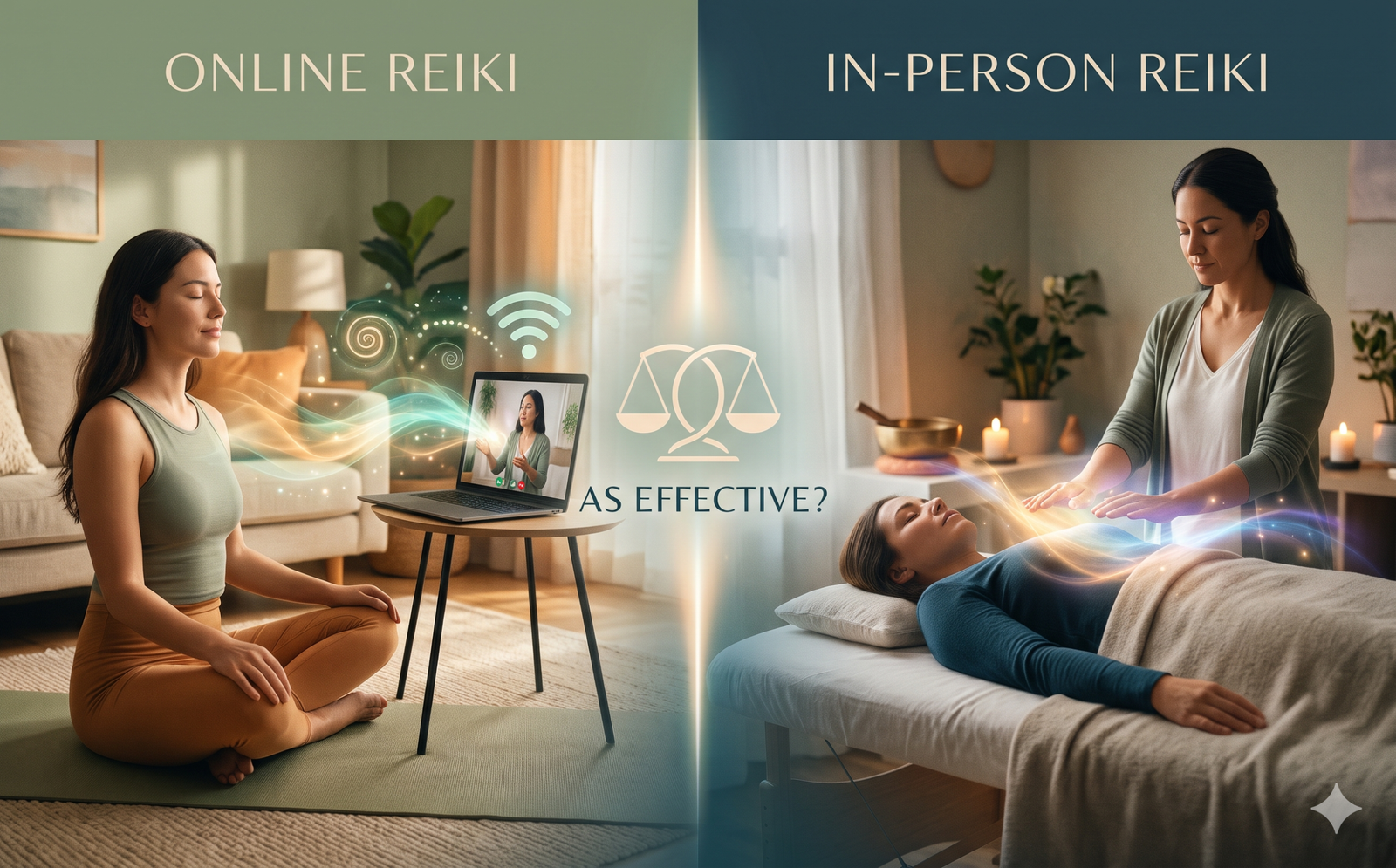
- Online sessions work about as well as in-person ones for most goals, since the technique depends on your focus and willingness, not physical proximity.
- Whether it is “worth it” depends almost entirely on what you are trying to solve and whether you walk in with realistic expectations.
What Hypnotherapy Actually Is (and What Most People Get Wrong About It)
Ask ten people in Delhi or Gurgaon what hypnotherapy means and at least half will describe something closer to a stage act: a swinging pocket watch, someone clucking like a chicken, a loss of control. That image has done real damage to how people evaluate whether the practice is worth their time.
What actually happens is far less dramatic. Hypnotherapy guides you into a state of deep physical relaxation combined with narrow, absorbed attention, similar to the feeling of being completely lost in a film or driving a familiar route and arriving without quite remembering the turns. In that state, your conscious mind steps back a little and your subconscious becomes more receptive to suggestion, which is where the actual therapeutic work happens: reframing a fear, breaking the automatic link between a trigger and a craving, or calming a nervous system that has been running on high alert for months.
You are not asleep. You are not unconscious. You can hear everything, you can choose to open your eyes at any point, and no practitioner can make you do something against your own will or values. If that sounds underwhelming compared to the Bollywood version, it should, because the real version is a skill you learn to use on yourself with guidance, not a trick done to you.
What the Research Actually Says About Whether It Works
This is the part most wellness pages skip, and it is the part that actually determines whether hypnotherapy is worth your money. The honest picture is mixed, and mixed is not the same as weak.
The evidence base is reasonably solid for a specific set of problems: anxiety and stress-related tension, insomnia, irritable bowel syndrome, and habit change such as smoking cessation, where multiple clinical reviews have found hypnotherapy performs better than no treatment and, in some trials, comparably to standard behavioral approaches. The U.S. National Center for Complementary and Integrative Health summarizes this research and notes that hypnotherapy shows promise for pain management and certain anxiety-related conditions, while being clear that results vary by individual and by the skill of the practitioner.[1]
Where the evidence gets thin is anything medical or diagnostic: hypnotherapy is not a treatment for diabetes, cancer, or any diagnosed physical disease, and no credible practitioner should ever frame it that way. At Blessings Revitalize, every session is offered as complementary support alongside your existing medical or mental health care, never as a replacement for it, and if you are currently under treatment for a diagnosed condition, that treatment stays with your doctor or therapist.
What an Actual Session With Sandeep Jain Looks Like
A lot of hesitation around hypnotherapy comes from simply not knowing what to expect, so here is the plain version. The first session is mostly conversation: Sandeep Jain, who trained under BSH (British Society of Hypnotherapists) and GHSC-UK accreditation and also practices as a Reiki Grand Master, spends the first twenty minutes or so understanding what you are actually trying to change, not just the surface symptom but what triggers it and what you have already tried.
The induction itself, the part where you settle into that relaxed, focused state, takes a few minutes and feels closer to a guided meditation than anything clinical. From there, the session runs 45 to 60 minutes, and most people describe it as deeply restful rather than strange. You remain fully able to speak, shift position, or stop at any point.
One session can bring short-term relief, but lasting change usually needs the repetition: three to six sessions is the realistic range for most goals, spaced out so the new patterns have time to settle between visits. If you are ready to find out what that would look like for your specific situation, you can book an online hypnotherapy session with Sandeep Jain and he will walk you through what a realistic plan looks like before you commit to anything.
Not every session is aimed at a habit or a mood. Some clients come specifically for regression exploration, a deeper hypnotherapy process that works with subconscious patterns and past experiences rather than a single surface symptom, and the same worth-it question applies there too: it depends on your goal and on walking in with realistic expectations.
Hypnotherapy vs. the Alternatives: Where It Wins and Where It Doesn’t
“Is it worth it” is really a comparison question, so it helps to see hypnotherapy next to the other paths people usually consider for the same problems.
| Approach | Where it tends to win | Where it tends to fall short |
|---|---|---|
| Hypnotherapy | Fast to learn, works well on anxiety, sleep, and habit-level change, needs no homework between sessions | Not built for diagnosed medical conditions, and results depend heavily on the practitioner’s skill |
| Talk therapy / counseling | Strong for processing trauma, grief, and complex relationship patterns over time | Usually slower to produce a felt shift, and a longer commitment in both time and cost |
| Self-help apps and recordings | Cheap, available at 2am, no scheduling involved | Generic scripts with no one adjusting to your actual triggers, and far easier to quit on |
| Medication | Fast biochemical relief for some conditions, prescribed and monitored by a doctor | Does not address the underlying pattern on its own and carries its own side-effect profile |
None of these four cancel each other out. Many of Sandeep’s clients use hypnotherapy alongside ongoing therapy or medical care rather than instead of it, which is exactly how it is meant to be used.
What It Actually Costs in India, and How to Know If It Is Worth It for You
Cost is usually the deciding factor, so let’s be direct about it. A single session with a qualified Indian practitioner typically runs ₹2,500 to ₹5,000, with online sessions sitting at the same price as in-person ones since the work itself does not change. Across a full course of four to six sessions, that puts the realistic total somewhere between ₹10,000 and ₹30,000, which is a real number worth weighing against what you are currently spending on the problem in other ways, whether that is sleep aids, missed workdays from burnout, or a habit that costs more than the sessions would. We’ve broken down the fuller picture, including how pricing differs by city and experience level, in our guide to hypnotherapy cost and process in Gurgaon.
The question of whether it is worth it ultimately comes down to three things: whether your goal falls into the areas the research actually supports, whether you are willing to show up for the full course rather than judging it off one session, and whether you are choosing a practitioner with real, verifiable training rather than a weekend-certificate operation. That last point matters enough that we wrote a separate, detailed guide on how to choose a hypnotherapist and what credentials actually mean, since the gap between a good and a mediocre practitioner affects your results far more than the modality itself does.
If your goal sits in that evidence-backed zone (anxiety, sleep, stress, habits) and you can commit to a short course with someone properly trained, hypnotherapy is a reasonable, often underrated investment. If you are hoping for a one-session cure for a diagnosed medical condition, it is not the right tool, and a good practitioner will tell you that honestly rather than take your money.
Frequently Asked Questions
How much does hypnotherapy cost in India?
Most qualified practitioners charge between ₹2,500 and ₹5,000 per session, with a full course of four to six sessions typically landing between ₹10,000 and ₹30,000 depending on the city and the practitioner’s experience.
How many sessions does it actually take to see results?
Most people need three to six sessions spaced a week or two apart. A single session can bring short-term relief, but lasting change usually needs the repetition to make the new pattern stick.
Is hypnotherapy safe, and are there any real risks?
For most healthy adults, hypnotherapy carries very low risk since you remain aware and in control throughout. It is generally not recommended as a standalone approach for active psychosis or certain severe dissociative conditions, which is why a proper intake conversation before the first session matters.
Can hypnotherapy actually help with anxiety and sleep problems?
Yes, this is one of the areas where the research is strongest. Anxiety, stress-related tension, and insomnia are among the conditions where clinical reviews show the most consistent benefit.
Is an online hypnotherapy session as effective as an in-person one?
For the vast majority of goals, yes. The technique relies on your own focus and willingness to engage, not on being in the same room, so a well-run online session works about as well as sitting across from someone in an office.
What happens if hypnotherapy doesn’t work for me?
Not everyone responds the same way, and a small number of people find it difficult to settle into the relaxed state at all. A good practitioner will tell you honestly within the first one or two sessions whether it seems to be a fit, rather than stringing you along for a course that is not helping.
If you would rather talk through your specific situation before deciding, message Sandeep directly on WhatsApp and he will give you a straight answer on whether hypnotherapy is likely to help with what you are dealing with, no pressure to book anything.
Written by Sandeep Jain, a certified hypnotherapist (BSH, GHSC-UK) and Reiki Grand Master, and the founder of Blessings Revitalize, where he works with clients across Delhi NCR and online across India.