
Quick Answer
Reiki doesn’t reach into a tight shoulder or a stiff lower back and release it the way a deep-tissue massage does. What it works on is the stress response that often keeps those muscles contracted long after whatever triggered them has passed. In a typical session, clients usually feel the neck, shoulders or jaw loosen within the first fifteen to twenty minutes as the nervous system shifts out of a guarded state, and many notice they move more easily for a day or two afterward. For tension or pain that doesn’t let up on its own, Reiki works best alongside physiotherapy, massage or a doctor’s care, not as a stand-in for any of them.
Key Takeaways
- Chronic muscle tension is often a nervous-system habit as much as a mechanical one, which is part of why stretching and foam rolling alone don’t always fix it.
- A session aimed at physical tension usually runs 45 to 60 minutes, and most clients notice the shoulders, jaw or lower back easing within the first 15 to 20 minutes.
- Three to four sessions, roughly a week apart, is the usual benchmark before deciding whether it’s making a real difference. One session can loosen things temporarily without shifting the underlying pattern.
- Reiki is not treatment for a structural injury, a pinched nerve, or a diagnosed medical condition, and it should sit alongside physiotherapy or medical care, not replace it.
- Clients often mention sleeping more soundly and reacting less sharply to small stressors in the days after a session, sometimes before they notice the tension itself has changed.
- The effect tends to build. People who come weekly for a month often say the tension takes longer to creep back each time, rather than describing one dramatic release.
What Chronic Tension Actually Feels Like Day to Day
Most people who come in for this don’t describe pain exactly. They describe a shoulder that never fully drops, a jaw that clenches without them noticing until it aches, or a lower back that feels tight even after a long weekend of doing nothing. It’s the kind of tension that a hot shower eases for twenty minutes and then quietly comes back. Sandeep sees this pattern often enough in Gurgaon clients working long hours at a desk that he’s started asking, early in a first session, whether the tightness gets worse specifically during stressful weeks at work. Most of the time, it does, even when the person hadn’t connected the two.
Why the Body Holds On to Stress Long After the Trigger Has Passed
A muscle that stays braced isn’t malfunctioning. It’s doing roughly what it was built to do: tighten in response to a threat, then release once the threat is gone. The trouble is that a stressful email thread, a difficult commute, or a tense conversation with a manager doesn’t always get the release signal, so the bracing just continues in the background. Over weeks or months, that low-grade guarding becomes the body’s default setting, and it starts to feel like a physical problem rather than a response to anything in particular. This is the piece Reiki is actually aimed at: giving the nervous system a long enough stretch of calm that it can register the threat has passed and let the muscles stand down, rather than trying to force a knot out directly.
What Actually Happens in a Session Aimed at Physical Tension
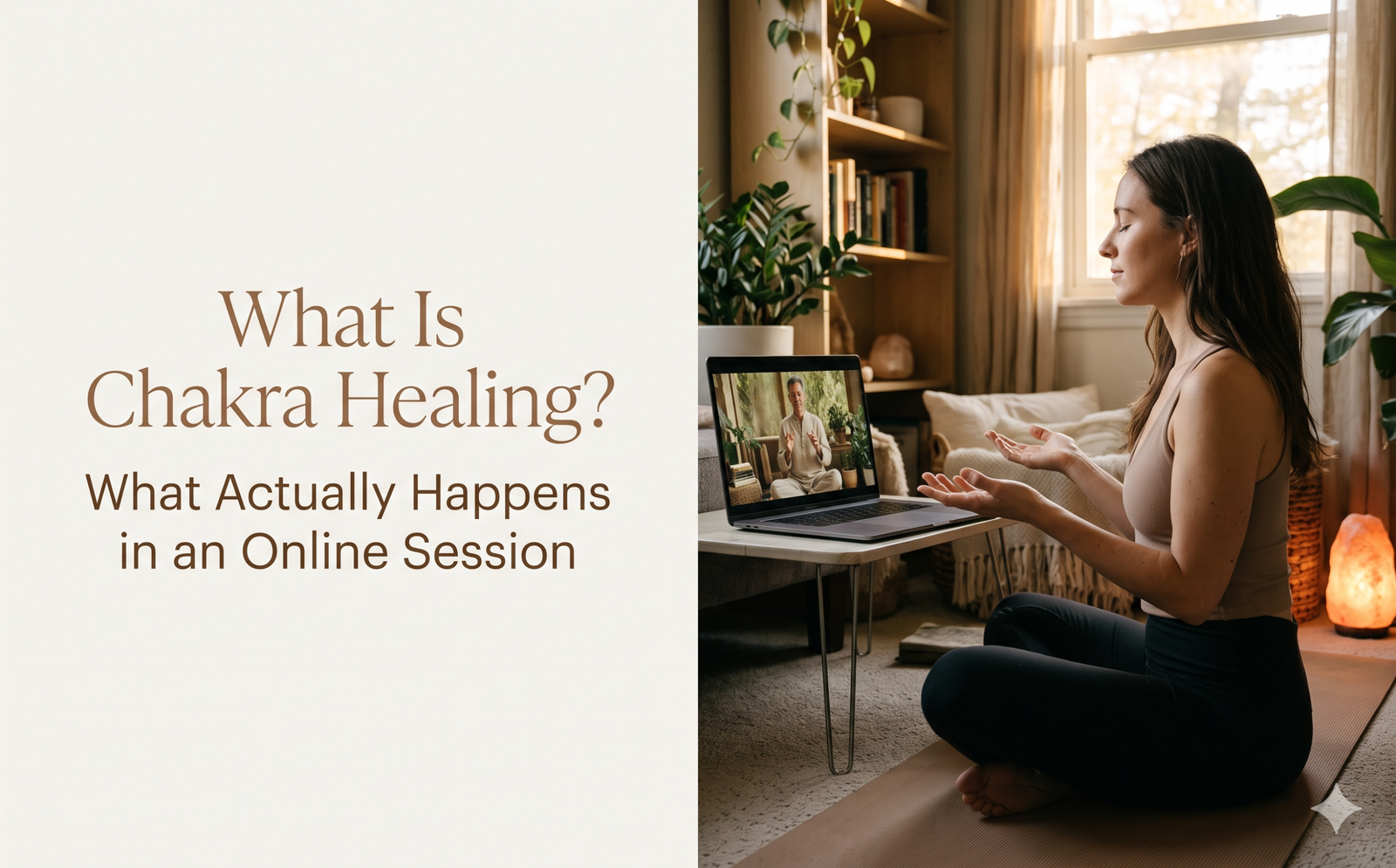
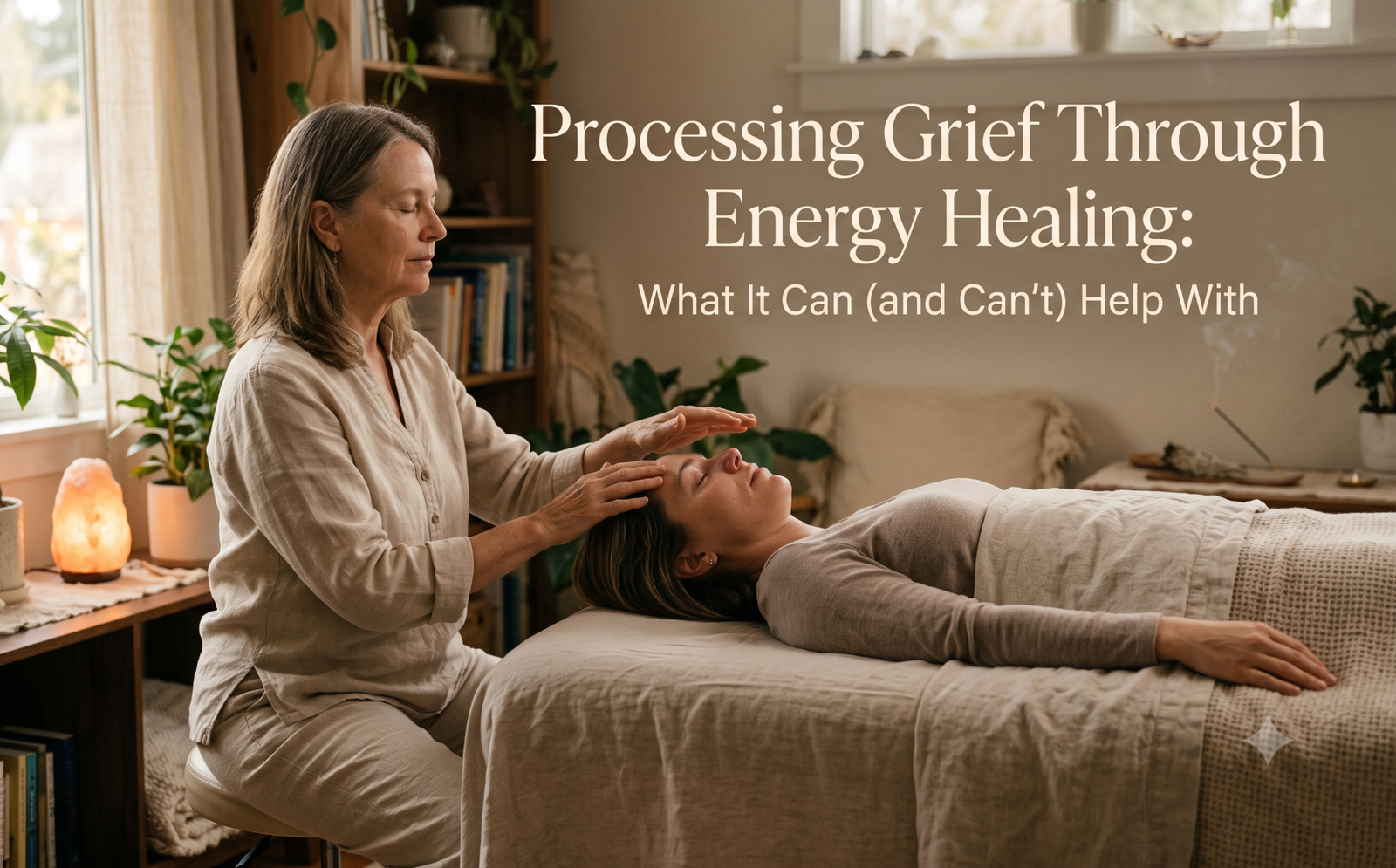
Sessions run online, with the client lying down or seated comfortably at home, and Sandeep working through the body’s energy centers while checking in on where tension seems to be sitting that day. It’s quiet, mostly still, and sessions run 45 to 60 minutes. People often describe the first ten minutes as the hardest part, simply because lying still without a phone nearby takes some getting used to. After that, a common observation is a wave of heaviness through the shoulders, followed by a noticeably slower, deeper breath than when the session started. Some clients fall asleep partway through, which Sandeep treats as a good sign rather than a distraction, since it usually means the body has stopped bracing long enough to actually rest. A few people feel very little in the moment and only notice the difference the next morning, when getting out of bed doesn’t come with the usual stiffness.
Is This a Substitute for Physiotherapy or Pain Treatment?
No, and it shouldn’t be treated that way. Reiki and energy healing are complementary practices, not medical treatment, and they’re not a replacement for physiotherapy, a doctor’s diagnosis, or pain management for a structural issue like a herniated disc or arthritis. If tension or pain is new, sudden, worsening, or paired with numbness, weakness, or anything that feels alarming, that calls for a doctor’s assessment first, not a healing session. Where Reiki tends to help most is the layer underneath a diagnosed issue, the ongoing bracing and stress load that makes an existing problem feel worse or recover more slowly. Several clients use it in parallel with physiotherapy specifically for that reason, not as an alternative to it.
How Long Before Someone Would Actually Notice a Difference?
Three to four weekly sessions is the realistic window Sandeep gives people before they can fairly judge whether it’s doing anything. A single session can leave someone feeling looser for a day or two, which is real but temporary, closer to what a good massage does than a lasting change. The clients who stick with it for three or four weeks tend to describe something different: not necessarily zero tension, but a longer gap before it builds back up, and less of a spike when a stressful week hits. That’s a slower, less dramatic outcome than most people expect walking in, and it’s worth saying plainly rather than overselling it.
Frequently Asked Questions
Can Reiki get rid of back pain completely?
Not on its own, and no responsible practitioner should claim that. Reiki can ease the stress-related bracing that often sits on top of back pain and makes it worse, but a structural cause still needs a doctor or physiotherapist to assess and treat directly.
How is a Reiki session for tension different from a massage?
A massage works directly on the muscle tissue. Reiki works on the nervous system’s stress response, with the client fully clothed and mostly still rather than being physically manipulated. Some clients use both, a massage for the muscle itself and Reiki for the stress pattern keeping it tight.
Does Reiki help with pain doctors haven’t been able to explain?
It can be worth trying alongside continued medical follow-up, since stress and nervous-system dysregulation are known contributors to pain that doesn’t show up clearly on scans. It isn’t a diagnosis, though, and ongoing unexplained pain still deserves a thorough medical workup.
How many sessions does chronic tension usually take?
Three to four sessions, roughly a week apart, is the usual starting point before judging results. Some people feel a shift sooner; others need longer, especially if the tension has built up over years rather than months.
Is it normal to feel sore or unusually tired after a session?
Mild soreness or tiredness for a day afterward is common and generally nothing to worry about, similar to how a body can feel after a deep massage. If soreness is severe or doesn’t pass within a day or two, that’s worth mentioning to a doctor rather than assuming it’s part of the process.
If this sounds like what you’ve been dealing with, it may help to look through the specific concerns Blessings Revitalize works with to see where chronic tension fits alongside everything else energy healing can support. Readers managing stress-related tension may also want to look at why nervous system regulation matters so much for people under constant pressure, or, if the tension feels tied to something further back, the physical signs that unresolved trauma can leave in the body. Full details on what a tension-focused session actually covers are on the Behavioral & Physical Well-Being service page.
Written by Sandeep Jain, Reiki Grand Master and certified hypnotherapist (BSH, GHSC-UK), founder of Blessings Revitalize. Sandeep works with clients across Delhi NCR and online across India.