Quick Answer
Energy healing won’t delete a habit on its own, but a Reiki session can loosen the stress response and emotional charge that keep a habit’s trigger stuck in place, which is usually what makes the habit feel so hard to budge in the first place. Most people notice less reactivity and a bit more space between the urge and the action in the day or two after a session, not an instant overnight change. It works best paired with the ordinary mechanics of habit change, like naming your triggers and swapping in a new routine, rather than as a replacement for that work. If the habit involves a real physical dependency, this is a complement to medical care, never a substitute for it.
Key Takeaways
- Reiki and energy healing don’t remove a habit directly. They tend to act on the nervous system state and stress response that keep a habit’s trigger-routine loop running on autopilot.
- The clearest shift most clients report shows up 24 to 72 hours after a session: less reactive, a little more pause before the automatic response kicks in.
- Habits tied to physical dependency, like nicotine or alcohol, need medical or clinical support alongside anything else. Energy healing sits beside that care, not in place of it.
- Sandeep Jain generally recommends three to four weekly sessions before anyone decides whether this approach is actually helping with a specific habit. One session rarely tells the full story.
- The habits that respond best, based on what clients describe in follow-up conversations, are the ones rooted in stress, boredom, or an old emotional pattern, not ones with a strong biochemical pull.
- This is complementary support. It is not a replacement for a doctor, therapist, or addiction specialist when a habit involves dependency or compulsive behavior.
Why Willpower Alone Keeps Failing on the Same Habit
Most people who come to Sandeep asking about habit change have already tried the straightforward route. They’ve deleted the app, thrown out the pack, set a reminder on their phone, told a friend to hold them accountable. It works for a week, sometimes two, and then the old pattern quietly slides back in during a stressful afternoon or a bad night’s sleep.
That isn’t a willpower failure so much as a wiring problem. A habit is a loop your nervous system built to get you through something, usually stress, boredom, or discomfort, as efficiently as possible. The trigger fires, the body is already primed to respond before your conscious mind catches up, and the routine runs. Trying to out-think that loop with pure discipline is exhausting precisely because the loop isn’t located in the thinking part of the brain. It’s closer to a reflex.
This is also where a lot of the frustration in old emotional patterns that keep running your life overlaps with habit work. A habit that started as a coping mechanism at nineteen doesn’t automatically know it’s twenty years later and the original stress is gone. The body is still bracing for the same thing.
What an Energy Healing Session for Habit Change Actually Involves
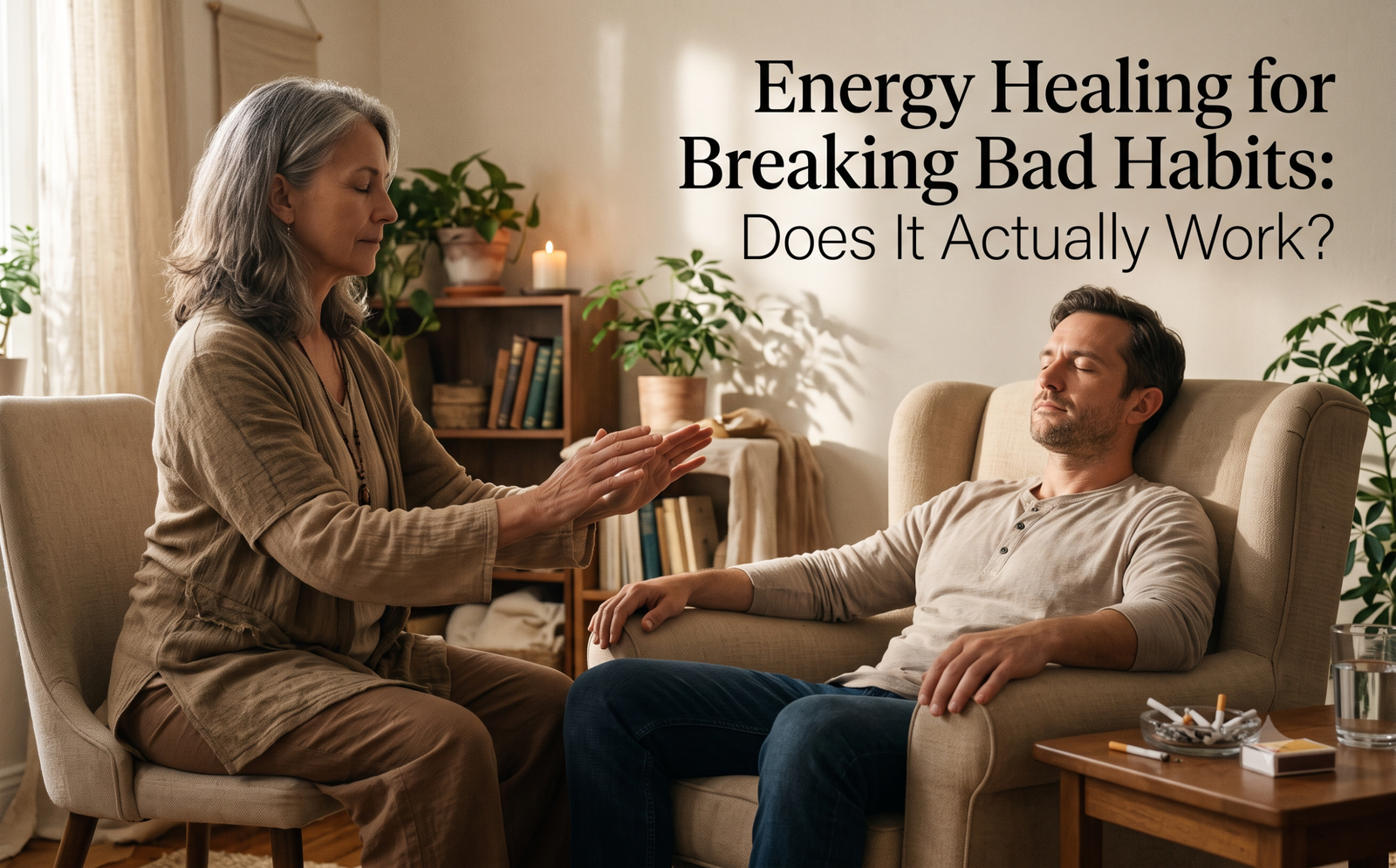
A session with Sandeep for this specific concern usually starts with a short conversation, maybe five to ten minutes, about the habit itself: when it tends to show up, what’s usually happening right before, and what it feels like in the body in the moment just before you give in to it. That detail matters more than people expect, because it tells him which part of the nervous system he’s actually working with.
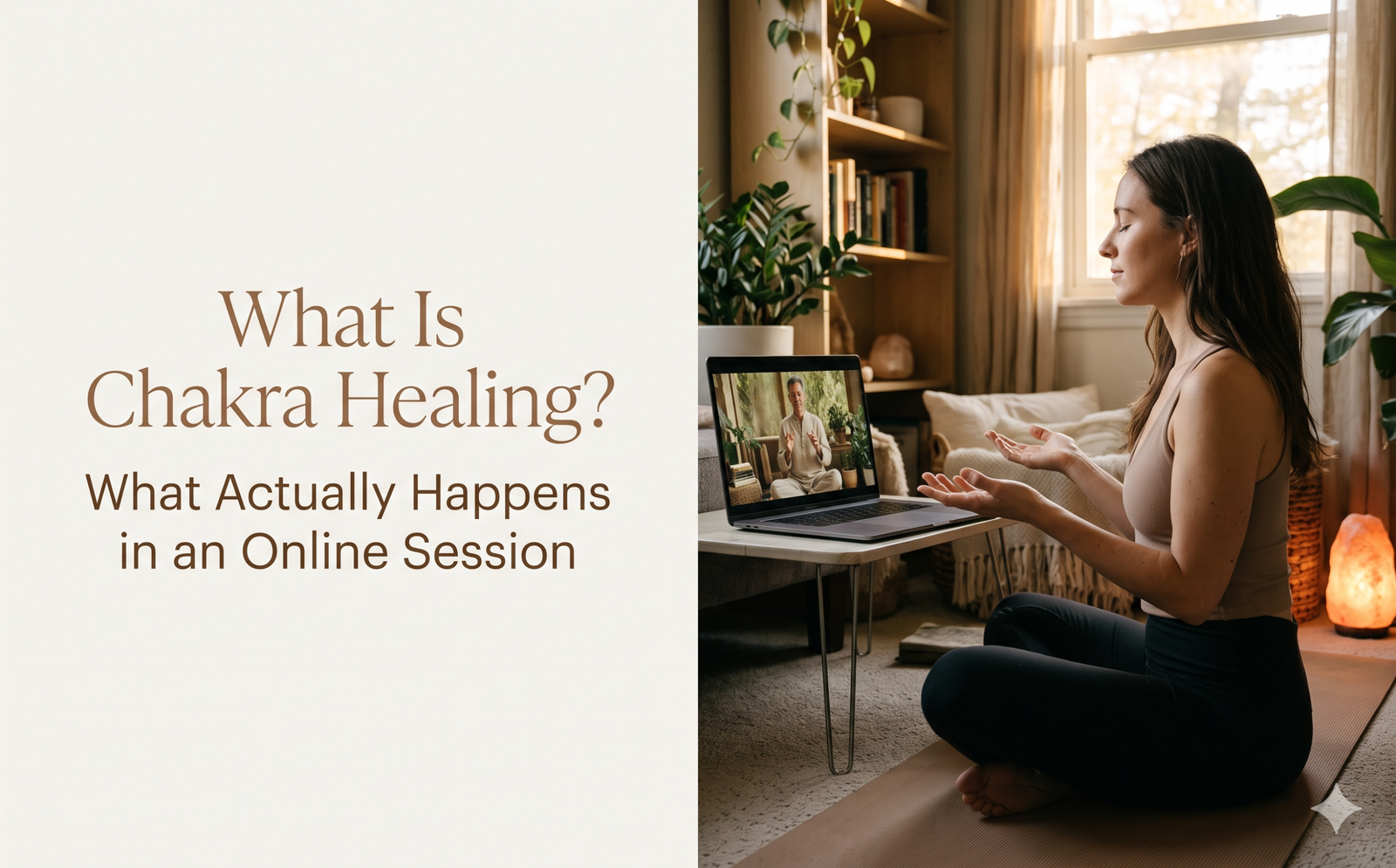
From there it moves into a standard distance Reiki format, hands-off, done over a video or voice call, usually 45 to 60 minutes. Clients describe the early minutes as a kind of settling, a heaviness in the shoulders releasing, sometimes a warmth moving through the chest or hands. Around the midpoint, several people have described a specific, almost ticklish sensation along the forearms or scalp, which tends to show up when there’s a release happening in an area that’s been chronically tense.
It isn’t dramatic. Nobody convulses or has a vision. What clients actually report afterward is closer to “I feel like I can breathe properly” or “my shoulders just dropped two inches.” That physical loosening is the mechanism worth paying attention to, because a nervous system that isn’t braced all the time has an easier job resisting an old automatic routine.
What the Research Says About Habits, Stress, and the Body
Habit formation itself is well studied outside of any energy work. NIH’s own consumer health division has published on how habits form around a cue, a routine, and a reward, and how chronic stress makes that loop harder to interrupt because a stressed nervous system defaults to whatever response already feels automatic (NIH News in Health, “Breaking Bad Habits”). That lines up with what Sandeep sees across sessions: habits that spike under stress respond differently than habits that are mostly boredom-driven, and both respond differently again from habits with a genuine chemical hook.
What hasn’t been formally studied, and what Sandeep is always upfront about with new clients, is Reiki’s specific effect on habit formation as its own clinical outcome. There isn’t a body of peer-reviewed research proving energy healing changes habit loops in a measurable, repeatable way. What exists is a reasonable, well-supported link between chronic stress and the nervous system state that makes habits sticky, and a growing body of research on relaxation-based approaches reducing that stress load. Reiki sits in that second category. It’s a relaxation and nervous-system-regulation practice, and its value for habit change is in how it affects the stress underneath the habit, not in any direct, provable action on the habit loop itself.
This is a good place for the standard caveat that applies to all of this work: energy healing is a complementary practice, not a replacement for medical or mental health treatment. If a habit involves a diagnosed condition, a physical dependency, or compulsive behavior that’s affecting your daily functioning, that needs a doctor, a therapist, or an addiction specialist in the loop, with energy work sitting alongside that care rather than instead of it.
How Long Before a Habit Actually Starts to Shift
People want a number, so here’s the honest one. Across the clients who’ve worked with Sandeep on this specifically, the pattern that shows up most often is a noticeable change in reactivity within the first one to two sessions, meaning the urge still arrives but there’s more of a gap before acting on it, and a more durable shift in the actual behavior somewhere around the third or fourth weekly session. That’s not a guarantee, and a handful of people need longer, especially if the habit has been running for a decade or more.
What rarely happens is an instant fix after one session. Anyone promising that for any habit, energy work or otherwise, is overselling it. The realistic story is closer to this: the habit gets a little easier to interrupt each week, the old trigger starts losing some of its grip, and somewhere in that stretch the new behavior you’ve been trying to build actually starts to stick instead of sliding back after a stressful day.
Is This the Right Approach for Your Specific Habit
Energy healing tends to be a genuinely useful piece of the puzzle for habits with a strong stress, boredom, or emotional-pattern component: late-night scrolling, stress eating, procrastination loops, snapping at people when overwhelmed, the kind of nail-biting or fidgeting that spikes specifically under pressure. It’s a weaker fit, used alone, for habits with a real biochemical pull, where the body has built a physical dependency that needs its own dedicated treatment plan first.
If you’re not sure which category your habit falls into, that’s a reasonable thing to say out loud on an initial call rather than guessing. Sandeep will usually tell you directly if a habit sounds like it needs a doctor or a specialist involved before, or alongside, anything he can offer. If you’d rather talk it through before booking anything, reaching out on WhatsApp is the fastest way to get a straight answer on whether this is a good fit for what you’re dealing with.
For anyone newer to how a distance session even works mechanically, it’s worth reading through what an online Reiki session actually involves and what to expect from it before the first booking, since knowing roughly what you’re walking into tends to make the first session itself feel less unfamiliar. You can also find more detail on the full range of what’s covered under Behavioral & Physical Well-Being support if habit change is one of several things you’re trying to work on at once.
Frequently Asked Questions
Can Reiki alone break a habit like smoking or nail-biting?
It depends heavily on what’s driving the habit. Stress-driven or boredom-driven habits, including a lot of nail-biting and fidgeting, tend to respond well because the underlying nervous system tension eases. Smoking usually has a nicotine dependency component layered on top, so Reiki can help with the stress and craving-trigger side of it, but it shouldn’t be treated as a standalone quitting method without other support in place for the physical dependency itself.
How many sessions does it typically take to notice a difference?
Most clients notice a shift in reactivity within the first one or two sessions, with a more lasting change in the actual behavior typically showing up by the third or fourth weekly session. Longstanding habits, especially ones running for many years, sometimes take longer.
Is energy healing for habit change the same as hypnotherapy for habits?
No, they work differently even though they’re often used for similar goals. Hypnotherapy works through guided, focused relaxation to access and reframe the subconscious associations tied to a habit. Reiki works through hands-off energy balancing aimed at calming the nervous system and releasing stored tension. Some clients use both at different points, and it’s worth asking directly during a consultation which one fits your specific situation better.
What should I expect to feel during and after a session focused on habit change?
During the session itself, a lot of people describe warmth, a loosening in the shoulders or jaw, or a tingling sensation in the hands or scalp. Afterward, the most common report is simply feeling calmer and a bit more clear-headed, sometimes noticeably sleepy for an hour or two. It’s rarely dramatic, and that’s actually a normal, expected response rather than a sign nothing happened.
Can this help with a habit tied to anxiety or stress eating?
Yes, this is one of the categories where energy healing tends to be most useful, since stress eating is almost always driven by the nervous system’s stress response rather than hunger itself. Easing that underlying stress load often reduces how often the urge shows up in the first place, though it still helps to pair sessions with practical steps like identifying your specific trigger times.
Written with input from Sandeep Jain, founder of Blessings Revitalize and a certified hypnotherapist and Reiki Grand Master based in Gurgaon, working with clients across Delhi NCR and online throughout India.