
Quick Answer
Unresolved trauma usually shows up in the body long before it shows up as a clear thought. A jaw that won’t unclench, sleep that never feels deep, a startle reflex that fires over small things, these are the nervous system holding onto something it never finished processing. If old events keep resurfacing through your body, your relationships, or a sense of being stuck in the same patterns, that is a sign worth paying attention to. Energy healing sessions, including Reiki and trauma-focused work, can help the nervous system release some of that stored tension at its own pace, though this is complementary support and not a substitute for trauma therapy or medical care when either is needed.
Key Takeaways
- Unresolved trauma lives in the nervous system as much as in memory, which is why it often shows up first as physical tension, fatigue, or an oversensitive startle response rather than as a clear recollection.
- Common physical signs include a tight jaw or shoulders that won’t fully release, shallow or broken sleep, digestive flare-ups with no clear medical cause, and cold hands or feet even in a warm room.
- Emotional and behavioral signs can include feeling oddly numb or disconnected, avoiding certain people, places, or conversations without quite knowing why, and swinging between overreacting and shutting down.
- A trauma-focused energy healing session works with the body’s own regulation rather than asking you to retell what happened in detail, which is part of why clients often notice a physical release, a deep exhale, sudden warmth, heaviness in the limbs, before any emotional insight arrives.
- Energy work can ease the nervous system’s grip on stored trauma, but it works alongside trauma-informed therapy or medical care, not instead of it, when either is genuinely needed.
Why Trauma Lives in the Body, Not Just the Mind
When something overwhelming happens and the nervous system doesn’t get a chance to fully discharge the stress response, the body tends to file it away rather than finish it. This is why a smell, a tone of voice, or even a date on the calendar can trigger a reaction that feels bigger than the situation calls for. The mind may have “moved on” from an event years ago, but the body sometimes hasn’t gotten the memo. I see this most often in clients who describe themselves as fine, logically, and are genuinely confused by why their shoulders seize up during a difficult phone call or why they can’t sleep the week before a certain anniversary.
This isn’t a character flaw or a sign of weakness. It’s a fairly ordinary nervous system pattern, and it’s one of the main reasons trauma work that only talks about the past often stalls out. The body needs its own way back to feeling safe again, not just a better story about what happened.
The Physical Signs Most People Miss
Some of the clearest signs of unresolved trauma are physical, and they’re easy to mistake for something else entirely. A jaw that clenches overnight. Shoulders that creep toward the ears during ordinary conversations. A stomach that reacts to stress faster than it reacts to food. Hands or feet that stay cold even when the room is warm, which is often the nervous system keeping blood near the core in case it needs to move fast.
Sleep is another big one. Not just trouble falling asleep, but the kind of sleep where you wake up as tired as you went to bed, because part of the nervous system never fully stood down for the night. Chronic low-level fatigue that doesn’t track with how much rest you’re actually getting is worth paying attention to, especially if it’s been building for months rather than days.
The Emotional and Behavioral Signs
Alongside the physical patterns, there are behavioral ones that tend to travel together. A sense of being emotionally flat, going through the motions of a life that should feel more alive than it does. Avoiding specific people, places, or even certain kinds of conversations, without being able to fully explain why. Swinging between two extremes, overreacting to small frustrations one week and feeling almost nothing the next.
Clients also describe a kind of hypervigilance that’s exhausting to live with, scanning a room, a message, or a relationship for signs of danger that may not actually be there anymore. None of this means something is broken. It usually means the nervous system is still running an old program that was useful once and has simply never been told the emergency is over.
What Actually Happens in a Trauma-Focused Energy Healing Session
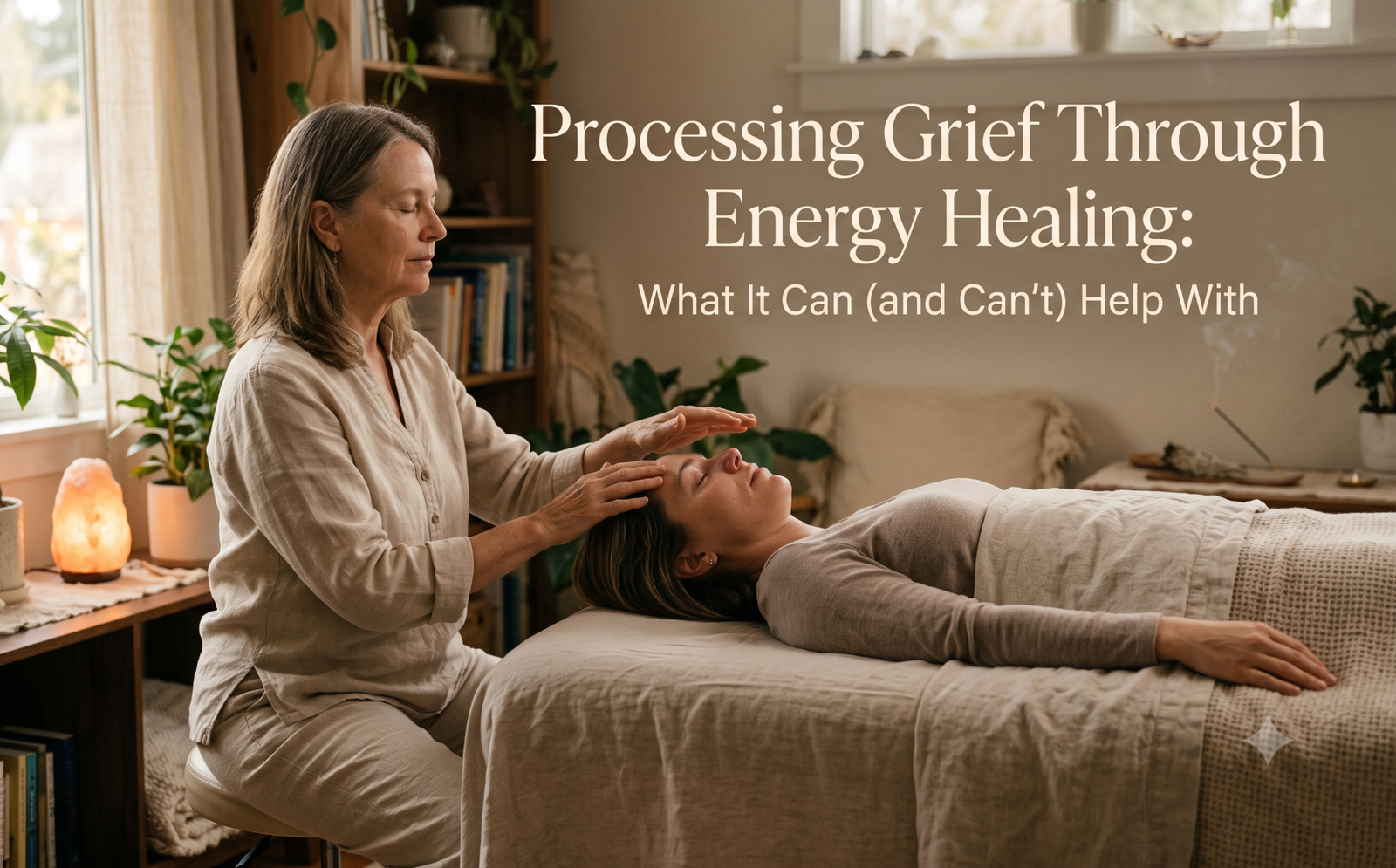
A session usually runs 45 to 60 minutes and starts with a short, ordinary conversation, not a detailed retelling of what happened, since the goal is to work with the nervous system rather than reactivate it. Sandeep, who trained through the BSH and GHSC-UK and holds Reiki Grand Master-level training, typically begins with a grounding check-in: how the body feels right now, where tension is sitting, what the breath is doing. From there the work is mostly hands-off or very light touch, sometimes done at a distance for clients who prefer that.
What clients notice varies, but there are patterns. A sudden, involuntary deep breath partway through. Warmth or tingling moving through the shoulders or chest. Occasionally tears with no specific memory attached to them, which is usually just stored tension finally having somewhere to go. Most people leave feeling looser in the body rather than emotionally raw, and the shift tends to build gradually across a handful of sessions rather than resolve in one sitting.
When Unresolved Trauma Needs More Than Energy Work
Energy healing can genuinely help the nervous system settle, but it isn’t a diagnosis tool and it isn’t a replacement for trauma-informed therapy, psychiatric care, or medical treatment when those are actually needed. If what you’re carrying includes flashbacks, panic that disrupts daily functioning, or thoughts of harming yourself, please reach out to a qualified mental health professional alongside, or instead of, any complementary work. Many clients use energy healing as one part of a wider support system rather than the only one, and that combination is usually the more realistic path forward.
If this sounds familiar, it may also help to look through how many trauma healing sessions are usually needed, since the pacing of this kind of work is one of the questions people ask most. Clients who’ve been carrying this for a long time sometimes find this piece on releasing stored emotional pain useful too, since it covers the release process in more depth. You can also read more about the trauma energy healing sessions Sandeep offers if you’d like to see how the format works before booking.
Frequently Asked Questions
Can unresolved trauma really cause physical symptoms years later?
Yes. The nervous system can hold onto a stress response long after the original event, which is why physical symptoms like chronic tension, digestive issues, or disrupted sleep sometimes show up or worsen years after something happened, especially if it was never fully processed at the time.
How is energy healing different from talk therapy for trauma?
Talk therapy generally works through language and insight, while energy healing works more directly with the body’s nervous system and doesn’t require retelling the event in detail. Many people find the two approaches complement each other well rather than compete.
How many sessions does it usually take to feel a difference?
This varies by person and by how long the pattern has been in place, but most clients report noticing some physical easing, better sleep or less jaw and shoulder tension, within the first two to three sessions, with deeper shifts building gradually after that.
Is this suitable if I haven’t been formally diagnosed with PTSD?
Yes. Most people carrying unresolved trauma have never received a formal diagnosis, and energy healing doesn’t require one. That said, if symptoms are significantly disrupting daily life, it’s worth also speaking with a mental health professional who can properly assess what’s going on.
Can distance or online sessions work for this kind of healing?
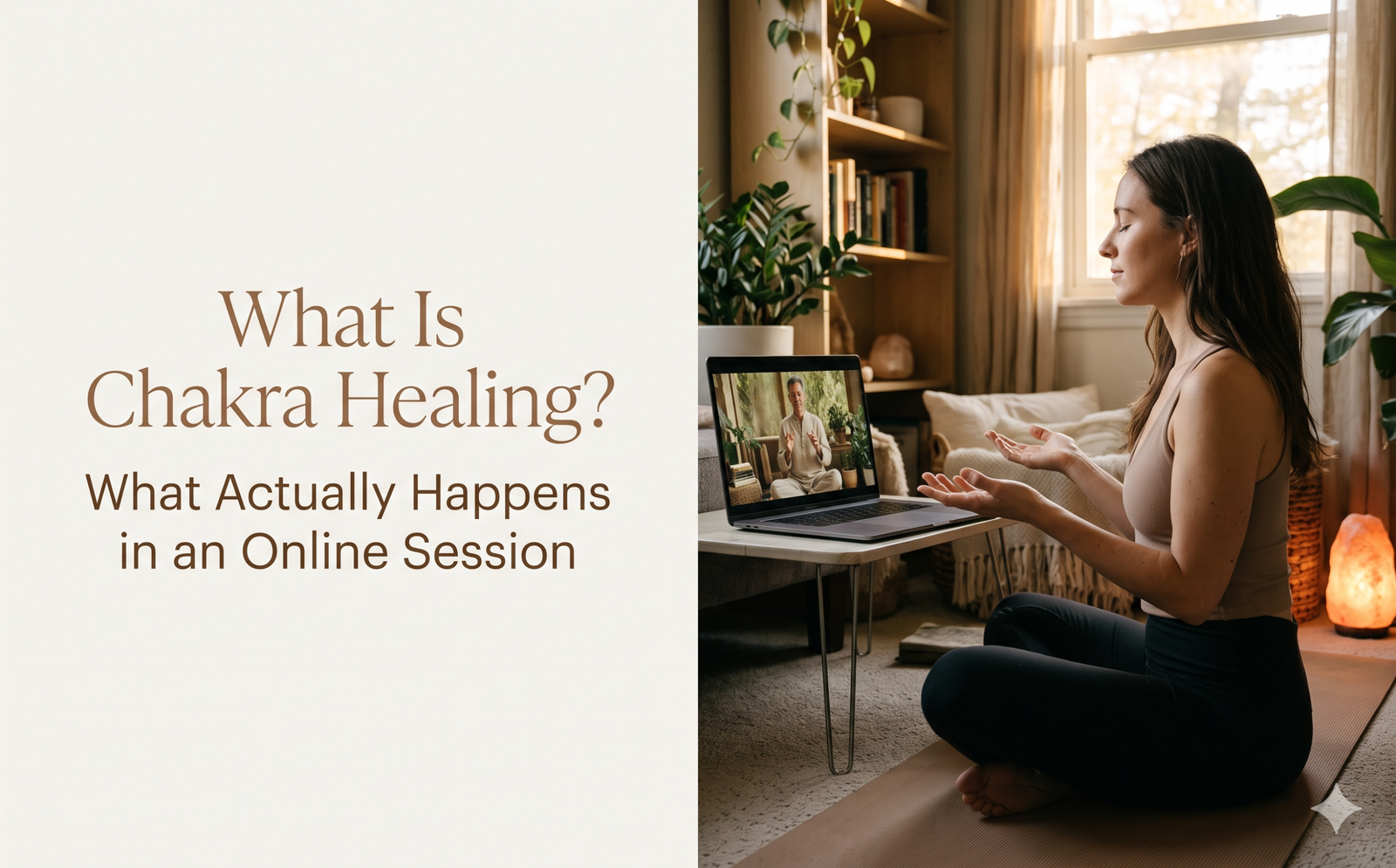
Yes, distance sessions work on the same principle as in-person ones and many clients prefer them, since being in a familiar, safe space at home can actually make it easier for the nervous system to settle during the session.
Written by Sandeep Jain, Reiki Grand Master and hypnotherapist (BSH, GHSC-UK), founder of Blessings Revitalize.