
Quick Answer
Distance Reiki for workplace stress works for most people in the sense that it produces the same relaxation response as an in-person session, using focused energy sent over a scheduled video or phone call rather than in the same room. It won’t remove your actual workload or a difficult manager, but it does mean the stress-relief piece doesn’t get skipped just because there’s no time to travel across the city for an appointment.
Key Takeaways
- Distance Reiki uses intention and focused energy rather than physical touch, so being in a different city from the practitioner doesn’t change how the session works.
- Sessions run 30 to 45 minutes over a phone or video call and fit around a lunch break or the end of a workday.
- Most clients notice slower breathing and a heavier, more relaxed feeling in the body within the first ten minutes.
- Distance sessions work about as well as in-person ones for ongoing workplace stress, though a first-timer may prefer trying an in-person session before going remote.
- Reiki is complementary support, not a treatment for burnout, panic attacks, or depression. Those need proper medical or mental health care alongside it.
How does distance Reiki actually work without being in the same room?
This is the question almost every new client asks first, and it’s a fair one. Reiki practitioners describe the technique as working through intention and energy rather than physical touch, so the practitioner being in a different city, or a different state, doesn’t change the mechanism the way it would for, say, a massage. Sandeep sets an intention for the session, holds a mental image of the client, and works through the same sequence of hand positions he’d use in person, just without the hands actually landing anywhere. Whether you find that mechanism plausible or not, what’s measurable is the outcome clients describe afterward: slower breathing, a heavier, more relaxed feeling in the limbs, sometimes falling asleep partway through the call.
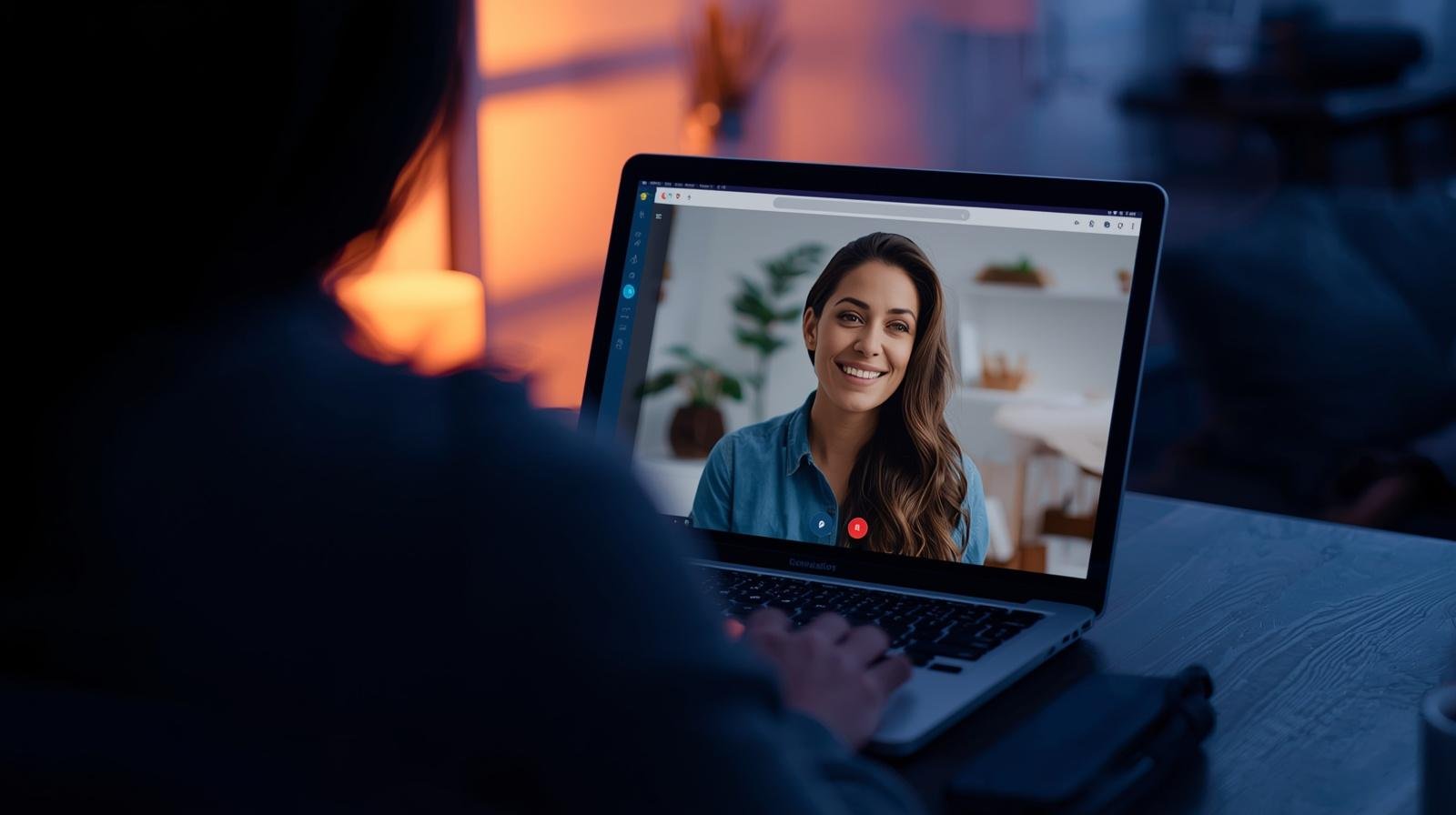
For workplace stress specifically, distance sessions solve a practical problem as much as anything. Someone working a 10-hour shift with a one-hour commute on each side often doesn’t have room in the week for an in-person appointment, however much they’d benefit from one. A 30 to 45 minute call before or after work, or even during a longer lunch break, fits into a schedule that a drive across Delhi NCR simply won’t.
What does a distance session for workplace stress actually look like?
Sandeep starts with a short conversation over WhatsApp or phone beforehand, usually the day before, asking what’s specifically going on: is it a looming deadline, a manager who won’t stop micromanaging, tension headaches from back-to-back video calls, a jaw that’s been clenched for three weeks straight. That detail shapes where the session focuses. At the scheduled time, the client finds a quiet spot, lies down or sits somewhere comfortable, and the call stays open but mostly silent while the session runs. Some clients keep their eyes closed and just breathe. Others check in halfway to say what they’re noticing, a warmth in the shoulders, a sudden urge to yawn, tears that show up for no clear reason.
Most people report the same broad pattern: breathing slows within the first ten minutes, and there’s a noticeable heaviness or looseness by the end, similar to how a body feels after a long stretch of good sleep. It’s not universal. A small number of clients don’t feel much of anything the first time and need a second session before the effect becomes noticeable, which is worth knowing going in so it doesn’t feel like a failed appointment.
Does distance Reiki really work as well as an in-person session?
Sandeep is straightforward with clients who ask this directly: in his experience, most people report a similar depth of relaxation either way, though a handful genuinely prefer having someone physically in the room and don’t settle into a distance session as easily. If you’ve never tried Reiki at all, an in-person first session can help you understand what the experience is supposed to feel like before doing it remotely. If you’re already familiar with the practice, distance sessions tend to work just as well for ongoing workplace stress management, and they’re far easier to keep up weekly or biweekly without the commute eating into the benefit.
What distance Reiki can’t fix about your job
It’s worth saying plainly: a session over video call isn’t going to resolve a genuinely toxic reporting structure, get you a raise, or make an unreasonable deadline reasonable. Those need actual workplace changes, sometimes a direct conversation with HR or a manager, sometimes a decision to leave. What distance Reiki offers is a way to lower the physical toll that stress takes while you work on the real problem, not a substitute for solving it.
There’s a mental health boundary here too. If the stress has tipped into something that looks more like burnout, panic attacks, or a depressive stretch that’s affecting sleep and appetite for weeks at a time, Reiki should sit alongside proper medical or mental health care, not replace it, and Sandeep will say this directly to clients whose symptoms sound like they’ve crossed that line. A session can be part of how someone copes. It isn’t a treatment for a clinical condition.
If workplace stress has been building for a while and you want to talk through whether a distance session fits, the healing sessions page covers what’s offered, and you can reach out directly on WhatsApp to ask questions before booking anything or to find a time that works around your schedule.
Frequently Asked Questions
Is distance Reiki healing real, or is it just a phone call with some breathing exercises?
There’s no hands-on contact, so a skeptic could describe it that way, but clients who try it usually notice something more specific than a generic guided breathing app: a heaviness in the body, unexpected drowsiness, sometimes an emotional release they didn’t plan for. Whether the mechanism is energy or simply focused attention and stillness, the physical effect reported is consistently real to the people experiencing it.
How do I prepare for a distance Reiki session for work stress?
Find a quiet spot where you won’t be interrupted for the full session, put your phone on silent aside from the call itself, and avoid scheduling anything demanding right after. Wearing comfortable clothes and having water nearby helps too, since some people feel a bit foggy or thirsty right after.
How soon will I feel less stressed after a distance session?
Many clients notice a shift the same day, usually calmer sleep that night or less reactivity the next morning. For stress that’s been building for months, expect the change to build gradually over three or four sessions rather than disappearing after one call.
Can distance Reiki help with burnout, or is it only for everyday stress?
It can be part of supporting recovery from burnout, but burnout that includes exhaustion lasting weeks, trouble functioning at work, or physical symptoms needs medical attention first. Reiki works well as a complementary piece of that recovery, not as the primary treatment.
Do I need a special app or equipment for a distance session with Sandeep?
No. A regular phone call or a WhatsApp video call is enough. What matters more is having a quiet, private space for the length of the session so you’re not distracted or interrupted partway through.
For more on how sessions are structured and what to expect from Blessings Revitalize generally, see the about page, or get in touch through the contact page to book a distance session.
Written by Sandeep Jain, Reiki Grand Master and hypnotherapist, founder of Blessings Revitalize, Delhi NCR.