
Quick Answer
Online relationship healing uses Reiki and energy work to release the emotional residue, resentment, guardedness, old attachment wounds, that gets in the way of connecting with a partner, parent, sibling, or close friend. A typical session runs 45 to 60 minutes over video call, with the practitioner working on your energy field while you rest with your eyes closed, followed by a short conversation about what surfaced. It works on your own patterns rather than the other person, so only one of you needs to attend. It’s a complementary practice, not a substitute for couples counseling or mental health treatment, and many clients use it alongside those rather than instead of them.
Key Takeaways
- A relationship healing session works on your own energy and emotional patterns, not on convincing or changing the other person, and only you need to be present.
- Sessions typically run 45 to 60 minutes online, combining distance Reiki with a guided conversation about what came up.
- Clients usually book after recurring arguments with a partner, unresolved grief following a breakup, strain with a parent or adult child, or a pattern that keeps repeating across different relationships.
- Most people notice some shift in how the situation feels within one to three sessions, though patterns rooted in childhood or long-term relationships often take longer to loosen.
- This is complementary, non-medical support. It does not replace couples therapy, individual counseling, or psychiatric treatment, and Sandeep Jain says as much to every new client before the first session.
- Sessions happen over Zoom or WhatsApp video, so clients across Gurgaon, Delhi, Noida, or anywhere else in India can book without traveling anywhere.
What Actually Happens During an Online Relationship Healing Session?
The call starts with a conversation, usually ten minutes or so, about what’s actually going on. Sandeep asks specific questions here: how long has this been happening, what does a typical fight or silence look like, what have you already tried. This part matters more than people expect, because relationship strain rarely shows up as one clean issue. It’s often layered with older stuff, a parent’s marriage, a past breakup that never got processed, a pattern of shrinking yourself to keep the peace.
After that, you get comfortable, camera can stay on or off, and close your eyes while the healing itself runs for roughly 20 to 30 minutes. Clients describe different things during this part. Some feel warmth in their chest or hands. Some get unexpectedly emotional and aren’t sure why. Others feel mostly calm, like their nervous system finally stopped bracing for something. None of these reactions is more “correct” than another, and a few clients feel very little in the moment but notice changes over the following days, a conversation that used to spike their anger suddenly doesn’t, or they catch themselves responding instead of reacting.
The session closes with another short conversation, this time about what came up and what it might connect to. This is also where Sandeep is direct about limits: if what someone describes sounds like it needs a licensed therapist or psychiatrist involved, he says so, and has referred clients onward more than once rather than positioning energy work as the whole answer.
Can Reiki Really Help With Relationship Problems?
This is the fair question, and the honest answer sits in the middle. Reiki and energy healing aren’t going to rewrite someone else’s behavior or fix a relationship that both people have stopped investing in. What clients report, consistently, is a change in their own reactivity, less charge around the same old triggers, more capacity to pause before responding, and sometimes clarity about a decision they’d been avoiding, like whether to stay in a relationship or finally have a conversation they’d been dreading.
Clinical research on energy-based practices like Reiki is still developing and the evidence base is considered preliminary by most health authorities, including the National Center for Complementary and Integrative Health, which notes that while many people find these sessions calming and report reduced stress, more rigorous research is needed before firm conclusions can be drawn. That’s worth knowing going in. This is complementary support for how you’re carrying a relationship’s weight, not a clinical treatment, and it shouldn’t replace medical or mental health care when that’s what’s actually needed.
Who Tends to Book This, and What Are They Usually Dealing With?
The pattern that comes up most often isn’t a single relationship crisis. It’s someone who’s noticed the same conflict playing out with different people, one client described it as “I keep ending up in the same argument with a new face on it.” Others come in after a breakup that’s technically over but emotionally isn’t, still checking a phone, still rehearsing conversations that will never happen. A smaller but steady group books around family, usually a parent relationship that’s been strained for years and feels too complicated to untangle through conversation alone.
What these situations share is a sense of being stuck rather than in active crisis. Couples actively in a fight tend to book couples counseling first, which is the right call. Relationship healing sessions here tend to fit better once someone has already tried talking it through and still feels weighed down by it.
How Many Sessions Do You Need Before You Notice a Difference?
Most clients start with one session to see how it feels, then decide from there. A recent breakup or a specific recurring argument often shows some movement within one to three sessions. Patterns that trace back further, a strained relationship with a parent that’s been building for a decade, or an attachment style formed in childhood, tend to need more time, sometimes six to eight sessions spaced a couple of weeks apart, because the pattern didn’t form overnight and rarely unwinds that fast either.
Sandeep generally recommends checking in after three sessions rather than committing to a long package upfront. If nothing has shifted by then, that’s useful information too, and sometimes the honest next step is a referral to a therapist rather than continuing energy work alone.
Frequently Asked Questions
Does the other person need to be involved or know about the session?
No. The session works on your own energy and emotional response to the relationship, so only you need to attend. Some clients tell the other person they’re doing this, others don’t, and it doesn’t change how the session works either way.
Can this help after a breakup or divorce?
Yes, this is one of the more common reasons people book. Sessions tend to focus on releasing the emotional attachment and processing grief so it stops running in the background of daily life. It doesn’t erase the loss, but clients often describe feeling less pulled backward by it after a few sessions.
Is relationship healing only for romantic partners?
No. A good number of sessions are booked for parent-child relationships, sibling conflict, friendships that ended badly, or family tension around events like weddings or inheritance. The same approach applies regardless of who the relationship is with.
How is this different from a regular Reiki session?
The energy work itself is similar to any distance Reiki session, but the pre-session conversation is more specifically focused on the relationship dynamic, and the intention set for the healing is directed at that particular pattern rather than general stress or fatigue.
What if I don’t feel anything during the session?
That’s common and not a sign it isn’t working. Some people are more physically sensitive to energy work than others, and plenty of clients notice the shift afterward, in how a conversation goes a few days later, rather than during the call itself.
Is it safe to do this alongside couples counseling or therapy?
Generally yes, and many clients do both at once. This is complementary support and isn’t a replacement for therapy, counseling, or psychiatric care. If you’re currently in treatment for a mental health condition, it’s worth mentioning that to both your therapist and to Sandeep before starting.
You might also want to read this piece on releasing emotional pain through an online trauma healing session, which covers similar ground for anyone carrying old hurt that hasn’t fully resolved. To learn more about the approach itself, visit the Relationship Healing service page, or read more about Sandeep’s background on the About page. If you’re ready to try a session for yourself, you can book an online healing session directly.
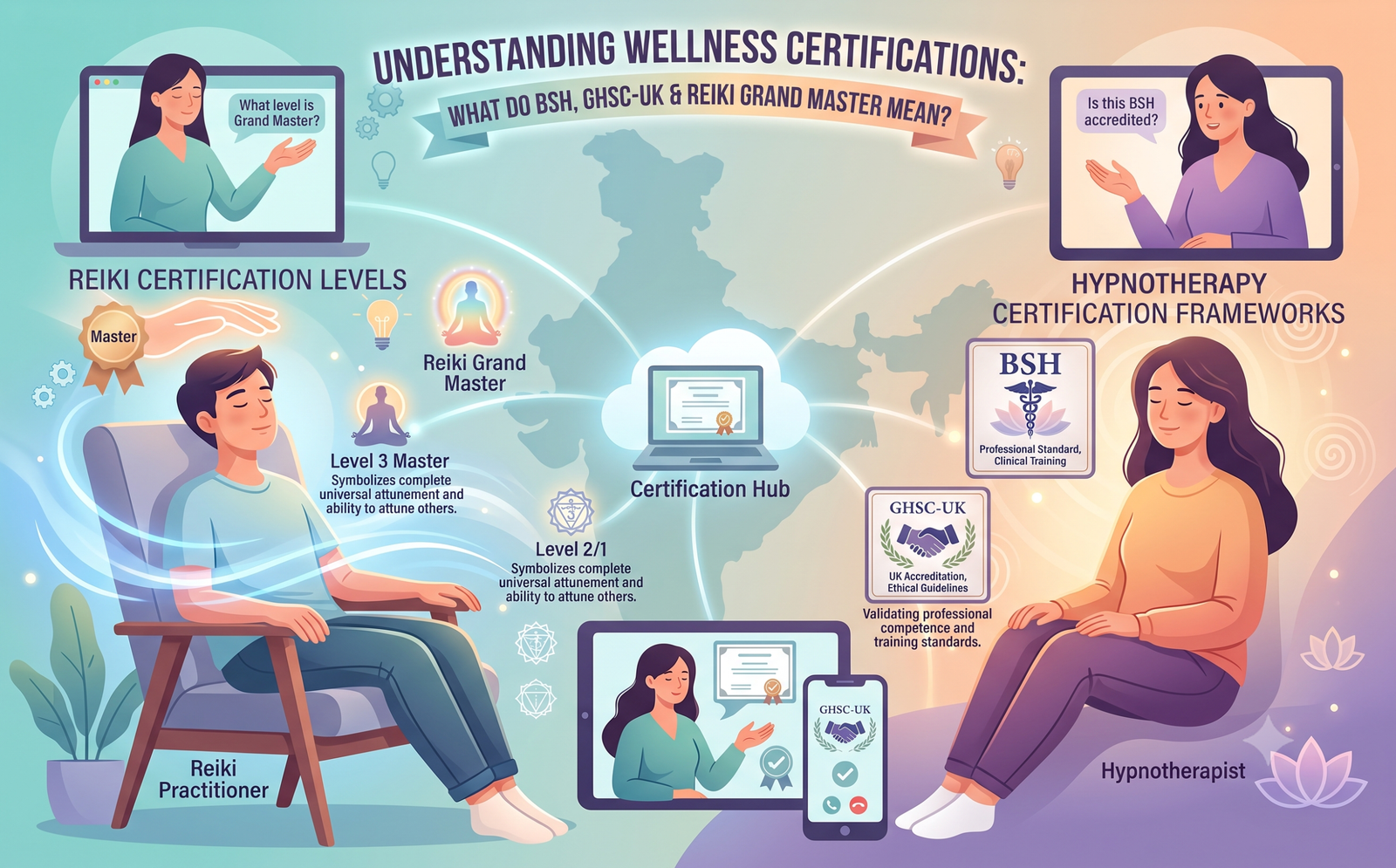
Written by Sandeep Jain, Reiki Grand Master and certified hypnotherapist (BSH, GHSC-UK), founder of Blessings Revitalize.