
Is Reiki Safe? What You Should Actually Know Before You Book a Session
Quick Answer
Yes, Reiki is considered safe for almost everyone. It involves no manipulation of the body, no drugs, and no physical pressure, so the main risks people worry about simply don’t apply the way they do with massage or physical therapy. The real safety questions aren’t about Reiki itself, they’re about whether you’re using it as a replacement for medical care (you shouldn’t) and whether the person running your session actually knows what they’re doing. Both of those are things you can check before you book.
Key Takeaways
- Reiki has no known physical side effects because there’s no touch pressure, manipulation, or substance involved, even in hands-on sessions.
- Online and distance Reiki sessions carry the exact same safety profile as in-person ones, since the mechanism doesn’t depend on physical contact.
- The handful of people who should check with a doctor first are those with serious mental health conditions involving dissociation, not the general population.
- Pregnancy, chronic illness, and taking medication are not reasons to avoid Reiki, they’re just reasons to tell your practitioner so the session can be adapted sensibly.
- The actual safety risk in this space is almost always about the practitioner, not the practice: unverifiable credentials, vague claims, or anyone who tells you to stop a prescribed treatment.
What Reiki Actually Involves (So You Know What You’re Signing Up For)
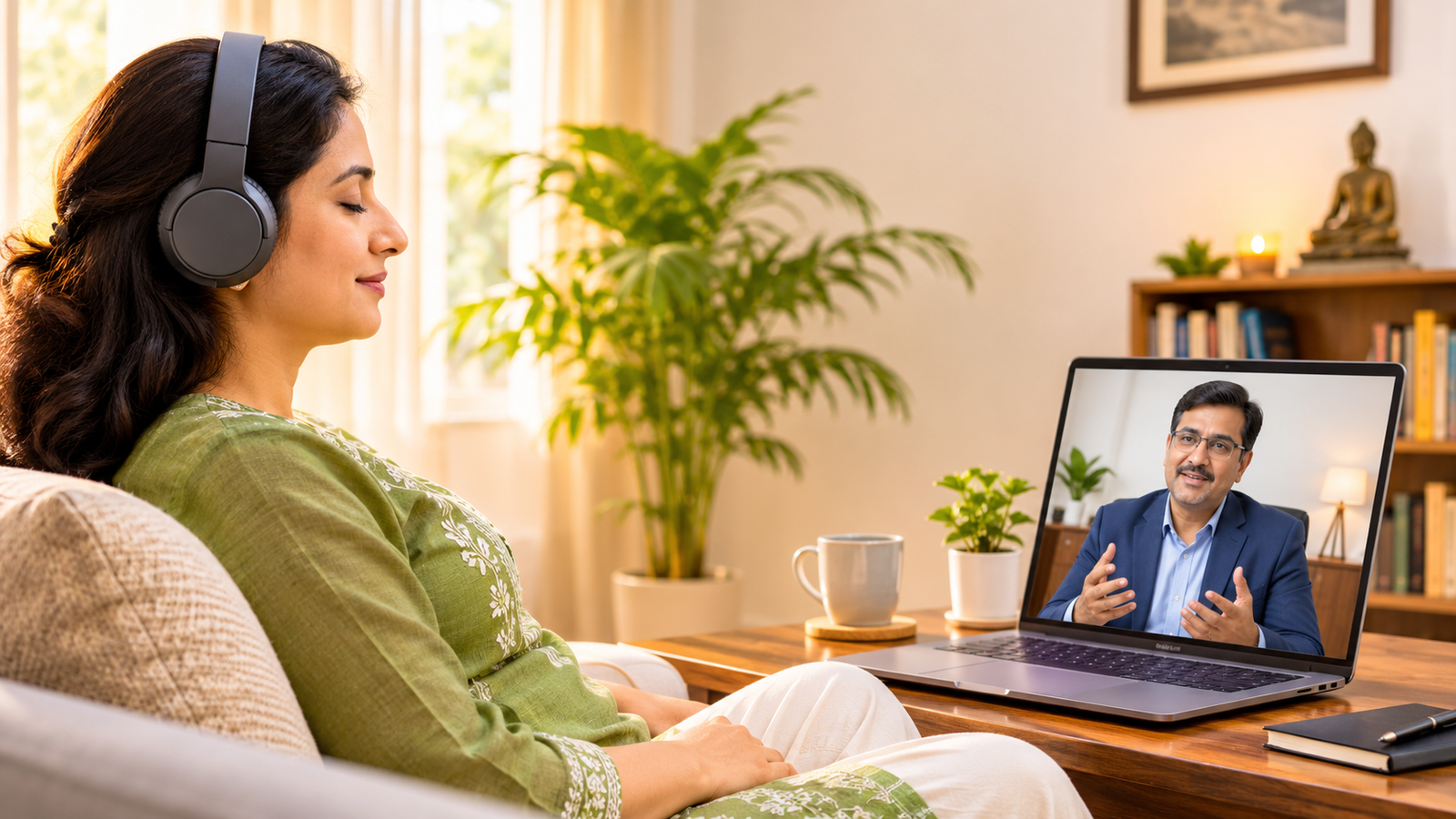
A lot of the anxiety around “is this safe” comes from not knowing what actually happens in the room, or on the call. A Reiki session is quiet. You stay fully clothed. If it’s in person, the practitioner either rests their hands lightly near or just above the body, moving through a sequence of positions, usually without any pressure at all. If it’s a distance session, which is how most of my clients at Blessings Revitalize actually book with me given how many are spread across Gurgaon, Noida, and further out, there’s no touch involved whatsoever. You’re on a call or simply resting at an agreed time while the session happens remotely.
Nothing is injected, ingested, adjusted, or forced. There’s no equipment. The worst a session typically produces is the same thing a long, deep nap produces: a bit of grogginess, sometimes a wave of emotion if something was sitting under the surface. That’s not a side effect in the medical sense, it’s closer to what happens after any period of genuine rest. If you want the fuller picture of what a Reiki healing session online actually involves before you decide anything, it’s worth a look.
Who Should Be Cautious, and Who Reiki Is Clearly Fine For
I get asked this constantly, usually by people who are already managing something else medically and don’t want to make it worse. Here’s the honest answer. If you’re pregnant, recovering from surgery, managing a chronic illness, or on medication, Reiki is not contraindicated. There’s nothing in the practice that interacts with any of those. The only thing that changes is how I structure the session, for example avoiding certain hand positions during pregnancy out of simple caution, not because there’s documented risk.
The group that genuinely does need a conversation with their own doctor or therapist first is small: people managing active psychosis, severe dissociative disorders, or conditions where deep relaxation or an emotional release could be destabilizing in a clinical sense. This isn’t a Reiki-specific risk, it’s the same caution that applies to meditation, yoga nidra, or any practice that quiets the nervous system. If that’s you, loop in whoever is already treating you before adding anything new, Reiki included.
The Real Risks (and Why They’re Smaller Than People Assume)
There is no peer-reviewed evidence of Reiki causing physical harm, and the National Center for Complementary and Integrative Health, part of the U.S. National Institutes of Health, lists it as generally safe with no serious adverse effects reported in clinical studies, while also noting the evidence for its effectiveness is still limited and mixed. That second part matters as much as the first. Reiki being safe is not the same claim as Reiki being proven to cure anything, and I’d rather tell you that plainly than oversell it.
The actual risk, if there is one, is opportunity cost: using Reiki instead of seeing a doctor for something that needs medical attention, rather than alongside it. I say this to every new client regardless of what brought them to me. A session can sit comfortably next to therapy, medication, physiotherapy, or whatever else you’re already doing. It was never meant to replace any of it, and anyone telling you otherwise is the actual red flag, not the practice itself.
If you want to see what a first session involves before committing, it’s worth reading through how Reiki compares to traditional therapy so you know exactly where the two overlap and where they don’t.
If you’ve already decided you want to try it, the simplest next step is to book your first Reiki session online and ask any safety questions you still have directly during the intake conversation.
What a Safe, Well-Run Session Actually Looks Like
A properly run session, online or in person, starts with a short conversation. A practitioner who cares about doing this well will ask about your health history, what you’re hoping to get out of the session, and anything you’d rather they avoid or adjust for. If nobody asks you anything before diving in, that’s worth noticing.
During the session itself, you’re never left wondering what’s happening. Afterward, a decent practitioner checks in, tells you what to expect over the next day or two (mild tiredness, sometimes vivid dreams, occasionally nothing noticeable at all), and never pressures you into booking a block of ten sessions on the spot. I’ve had clients come to me after one or two sessions with someone else who pushed hard for a long-term package before they’d even decided if the first session was for them. That pressure is a practitioner problem, not a Reiki problem.
Red Flags That Have Nothing to Do With Reiki Itself
Since the practice itself carries so little inherent risk, almost every actual safety concern traces back to who’s running the session. Watch for anyone who claims Reiki can cure a diagnosed illness outright, who tells you to stop taking prescribed medication, who can’t explain their own training when you ask, or who seems more interested in selling packages than answering your questions. None of that is normal, and none of it reflects how Reiki is actually taught or practiced responsibly.
I trained through BSH and hold certification through GHSC-UK along with Reiki Grand Master-level training, and I’ll say this to anyone, not just my own clients: ask whoever you’re considering booking with what they’re actually certified in, and don’t feel awkward about it. A practitioner who’s confident in their training will answer that question without hesitation.
Frequently Asked Questions
Can Reiki cause any physical side effects?
No documented physical side effects exist in clinical literature. Some people feel mild tiredness or emotional release afterward, similar to how you might feel after a deep rest, but there’s no physical mechanism in Reiki that could cause harm the way a medication or manual therapy sometimes can.
Is online or distance Reiki as safe as an in-person session?
Yes. Since there’s no physical contact in either format when done at a distance, and minimal contact even in person, the safety profile doesn’t change based on whether you’re in the same room or several hundred kilometers away.
Is Reiki safe during pregnancy?
Generally yes, with a practitioner who knows to adjust hand positions and approach as a precaution. It’s still worth mentioning to whoever is treating you, the way you’d mention any new wellness practice during pregnancy, simply so everyone involved in your care is aware.
Can Reiki interfere with my medication or ongoing treatment?
No, Reiki has no known pharmacological interaction with any medication. It’s meant to sit alongside medical treatment, not replace or interfere with it. If a practitioner ever suggests otherwise, that’s a reason to stop working with them, not a reason to stop your treatment.
How do I know if a Reiki practitioner is actually safe to book with?
Ask about their training and certification directly, notice whether they ask about your health history before the session, and be wary of anyone who makes big promises about curing specific conditions. A practitioner with nothing to hide will welcome the questions.
If any of this still feels uncertain, the easiest way to get a direct answer is to message Sandeep directly on WhatsApp and ask whatever’s on your mind before you commit to anything.
This article is intended as general information about Reiki as a complementary wellness practice. It is not a substitute for medical or mental health advice, diagnosis, or treatment, and sessions with Sandeep Jain are offered as complementary support alongside, never a replacement for, care from a qualified medical or mental health professional.
Written by Sandeep Jain, Reiki Grand Master and certified hypnotherapist (BSH, GHSC-UK), founder of Blessings Revitalize, offering online Reiki and hypnotherapy sessions across Delhi NCR and the rest of India.